

If you’ve bought a new laptop, PC, or smartphone recently and felt like it cost more than it should have, you’re not just imagining things! The price of RAM has gone up significantly over the past couple of years, and it’s having a ripple effect across pretty much every device that uses memory, which is basically all of them… Here’s what’s actually going on, who’s responsible, and what it might mean for your next tech purchase.
First, what is RAM and why does it matter?
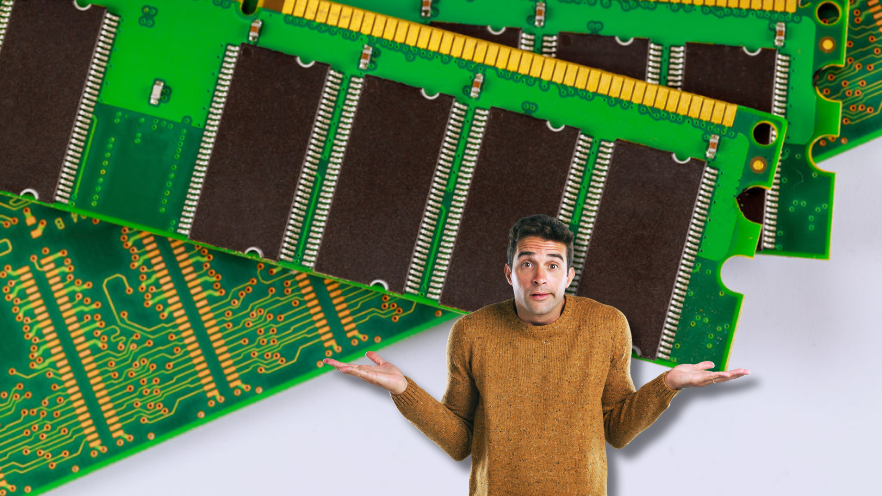
RAM stands for Random Access Memory, and it’s essentially your device’s short-term thinking space. When you have multiple browsers open, are streaming a video, and have a document open all at the same time, RAM is what allows your device to handle all of that at once without grinding to a halt. The more RAM a device has, the more it can juggle simultaneously.
RAM is found in everything: laptops, desktop PCs, smartphones, tablets, gaming consoles, and even smart TVs. That means when RAM prices go up, the cost of manufacturing all of these devices goes up too, and those costs get passed on to you, the consumer. So understanding why RAM has gone up in price helps explain why your next phone or laptop might cost noticeably more than the last one.
AI is eating the world’s memory supply

The biggest driver behind why RAM has gone up in price is artificial intelligence. The data centres that power AI tools like ChatGPT require an enormous amount of a specialised memory called High Bandwidth Memory, or HBM. A single AI server can consume as much memory as dozens, even hundreds of standard laptops. The demand for this kind of memory has absolutely exploded!
Here’s where it gets interesting. Only three companies produce almost all of the world’s RAM: Samsung, SK Hynix, and Micron. Together they control around 95% of global production. In 2025, all three made a strategic decision to shift a significant chunk of their manufacturing capacity away from consumer RAM and toward the high-margin HBM chips that AI companies are willing to pay top dollar for. The selling price of HBM is reportedly 3 to 5 times higher than standard consumer memory, so from a pure business perspective it made complete sense for them to do this.
The result? A sharp drop in the supply of everyday consumer RAM at exactly the time demand was still strong, and prices shot up accordingly. Reports suggest RAM prices surged anywhere between 300% and 600% from their 2024 lows, with some DDR5 memory kits more than doubling in price in just a few months.
Are the big three actually fixing prices?
This is where things get spicy! A lot of people asking why RAM has gone up in price have been suspicious that there’s more to the story than just AI demand, and it turns out they may be right. On the 25th of June, 2026, plaintiffs filed a class action lawsuit in a California federal court, accusing Samsung, SK Hynix, and Micron of colluding to restrict consumer RAM supply and fix prices. The suit alleges the collusion drove costs up by around 700% over four years.
The lawsuit alleges the companies used the AI boom as cover to deliberately cut production of older consumer memory, and that all three simultaneously started vetting customers and questioning buyers about how much stock they needed and who they were selling to, with reports of identical behaviour across all three companies at the same time.
This isn’t even the first time these companies have faced these accusations. Between 1998 and 2002, Samsung and Hynix (now SK Hynix) both pleaded guilty to participating in a DRAM price-fixing cartel and paid significant fines. The allegations in the 2026 case are unproven, and the companies haven’t yet formally responded, but it’s a situation worth keeping an eye on.
What does that mean for your devices?

The impact of why RAM has gone up in price isn’t just felt by PC builders. It’s flowing through to everything. Smartphone manufacturers have had to scale back their plans for upgrading memory in new flagship models because the cost of mobile RAM has surged too. Laptop and desktop prices are set to climb 15 to 20% across the board. Even gaming consoles aren’t immune!
Memory costs rising by as much as 350% forced Apple to raise prices on several products in 2026. Budget devices have taken the hardest hit, since manufacturers operating on thin margins have very little room to absorb the extra cost. If you’ve been thinking about replacing your laptop or phone in the next year or so, it’s worth knowing that prices are unlikely to come down meaningfully before late 2026 at the earliest, with many analysts suggesting 2027 or even 2028 before things normalise.
What can you actually do about it?

Unfortunately, the short answer is that as a consumer there isn’t a huge amount you can do to avoid the impact of why RAM has gone up in price. But there are a few sensible moves worth considering.
If you need to upgrade, buying sooner rather than later makes sense, since prices are expected to climb.
If you have a desktop PC and are considering a RAM upgrade, it’s worth doing your research on current pricing and being strategic about timing. For most other devices, RAM isn’t user-upgradeable, so the best protection is simply knowing what you’re buying before you commit.
The RAM price situation is a perfect example of how decisions made at the top of the tech industry ripple down to everyday Kiwis buying phones and laptops. A combination of AI-driven demand, deliberate manufacturing shifts, and potentially coordinated behaviour by three companies that control almost the entire global supply has created a market that’s painful for consumers right now.
The good news is that this won’t last forever, and in the meantime, keeping your current devices in good shape is the best thing you can do! If you need help with repairs, maintenance, or advice on whether it’s worth upgrading right now, give us a call or book a Geek online. We’re always happy to help you make the most of what you’ve got!
