

We talk a lot about scams on this blog, and for good reason. Kiwis are losing serious money to them every year. But here’s the thing, and as I’m sure you know by now, scams have been seriously upgraded with the help of Artificial Intelligence (AI). Thanks to AI, the dodgy emails with bad spelling and the obviously robotic phone calls are becoming a thing of the past. Scammers are now using AI to sound more convincing, look more legitimate, and target more people than ever before. Here’s what they’re up to, and how you can stay one step ahead!
AI-Written Phishing Emails That Actually Look Legit
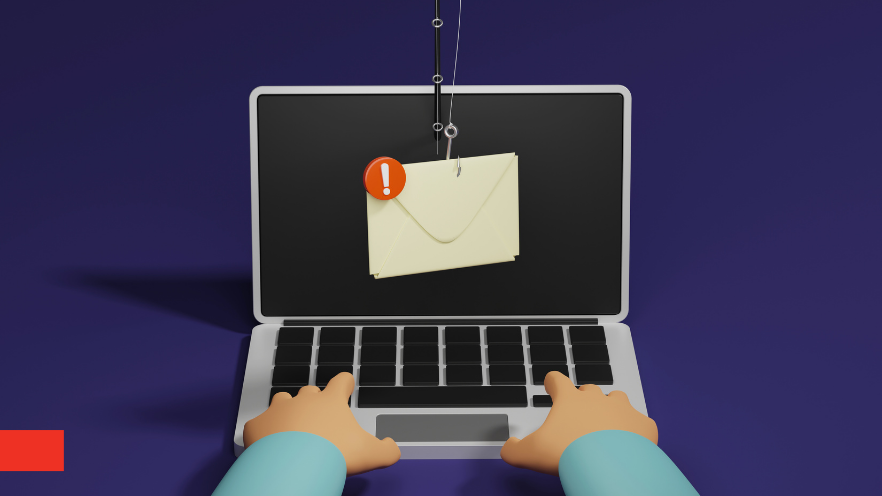
Remember when you could spot a scam email a mile away because it was riddled with typos and read like it had been translated three times? Yeah, those days are pretty much over. Understanding how scammers use AI helps explain why phishing emails are now polished, professional, and completely convincing. We’re talking perfect grammar, the right tone, and even personalised details pulled from your social media profiles.
These emails might pretend to be from your bank, IRD, a courier company, or even your internet provider. They’ll ask you to click links or verify your details, and it’s surprisingly easy to be fooled. The golden rule still applies: if an email is asking you to click something urgently, go directly to the company’s website instead of clicking any links in the message!
Deepfake Voice Calls From “Family”

This one can be pretty unsettling. One of the most alarming examples of how scammers use AI is voice cloning. Where scammers replicate a person’s voice from just a few seconds of audio. Scammers are using this to make phone calls that sound exactly like someone you know and trust. A parent gets a call from what sounds like their child saying they’ve been in an accident and need money urgently. It’s distressing, believable, and, unfortunately, effective.
The best defence against this is to set up a family safe word. It sounds a bit silly or maybe over the top, but it’s genuinely useful. Agree on a word or phrase that only your family know, and if anyone calls in a panic asking for money, ask for the safe word first. If they can’t give it, hang up and call the person back on their actual number.
Fake Customer Service Chatbots
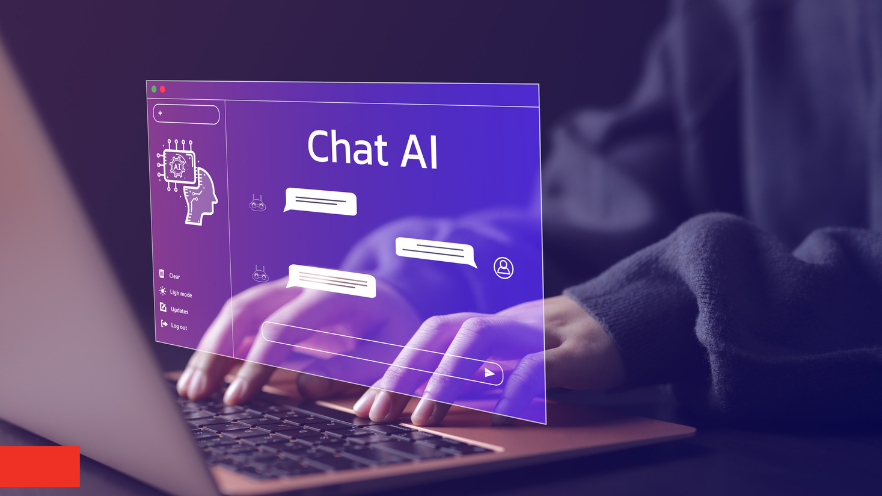
You’ve probably noticed that most websites now have a little chat bubble in the corner offering help. Most of the time, these are totally legitimate. But how scammers use AI to power fake chatbots is a growing problem. They’re creating fake versions of popular company websites with convincing AI chatbots designed to collect your personal information or push you towards dodgy payment links.
These fake sites often show up in search results as ads, so they can appear right at the top of the page. Always double-check the URL before chatting with any customer service bot, and never hand over your banking details, passwords, or credit card information through a chat window! A legitimate company won’t ask for those things that way!
AI-Generated Fake Reviews and Listings
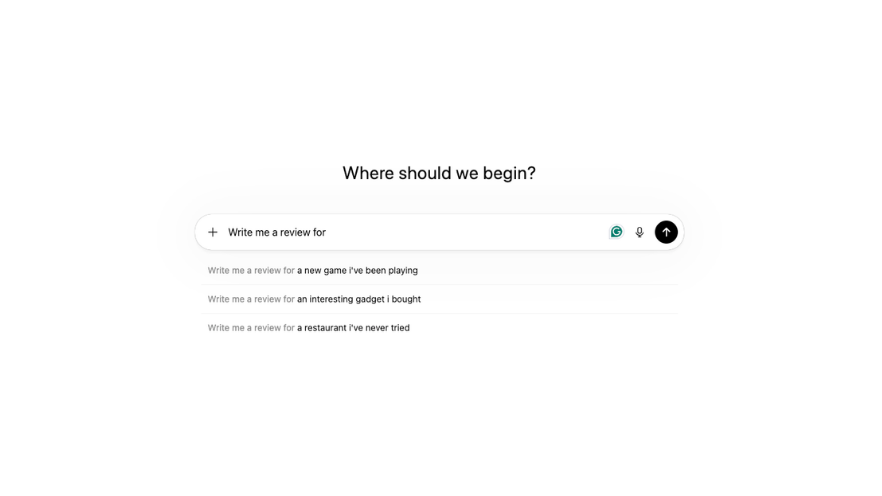
Shopping online or looking for a tradesperson? Another example of how scammers use AI is by flooding platforms with fake 5-star reviews and convincing-looking business listings. These aren’t just a few dodgy sentences copied and pasted; they’re well-written, varied, and designed to look completely natural. Fake rental listings, fraudulent online shops, and bogus service providers are all getting the AI treatment!
To protect yourself, look beyond the star rating. Check how long the business has been listed, look for reviews that include specific details rather than vague praise, and search for the business name alongside the words “scam” or “review” before handing over any money. If something feels a little too good to be true, it probably is!
Hyper-Personalised Social Media Scams

How scammers use AI to target you on social media is particularly sneaky. These tools can scan your profiles and build a surprisingly detailed picture of who you are, where you live, and what you care about. They might reference your hometown, a hobby, or even a recent post you made. This all makes the message feel far more trustworthy than a cold, random scam attempt.
It’s worth having a think about what your social media profiles are sharing publicly. Locking down your privacy settings so that only people you know can see your posts and personal details goes a long way. If a stranger’s message seems oddly personal, don’t brush it off. Take a moment to think about how they could possibly know that!
AI is an incredible tool, and most of the time it’s being used to do genuinely helpful things. But like any technology, it can be misused, and right now scammers are having a field day with it! The good news is that awareness is your best weapon. If you know what to look for, you’re already in a much better position!
If something on your device doesn’t feel right, whether it’s a suspicious email, a stubborn pop-up, or a website that just seems off, we’ve got you covered. Check out GeekSafe, our scam protection service built specifically for Kiwis! Stay safe out there!
